
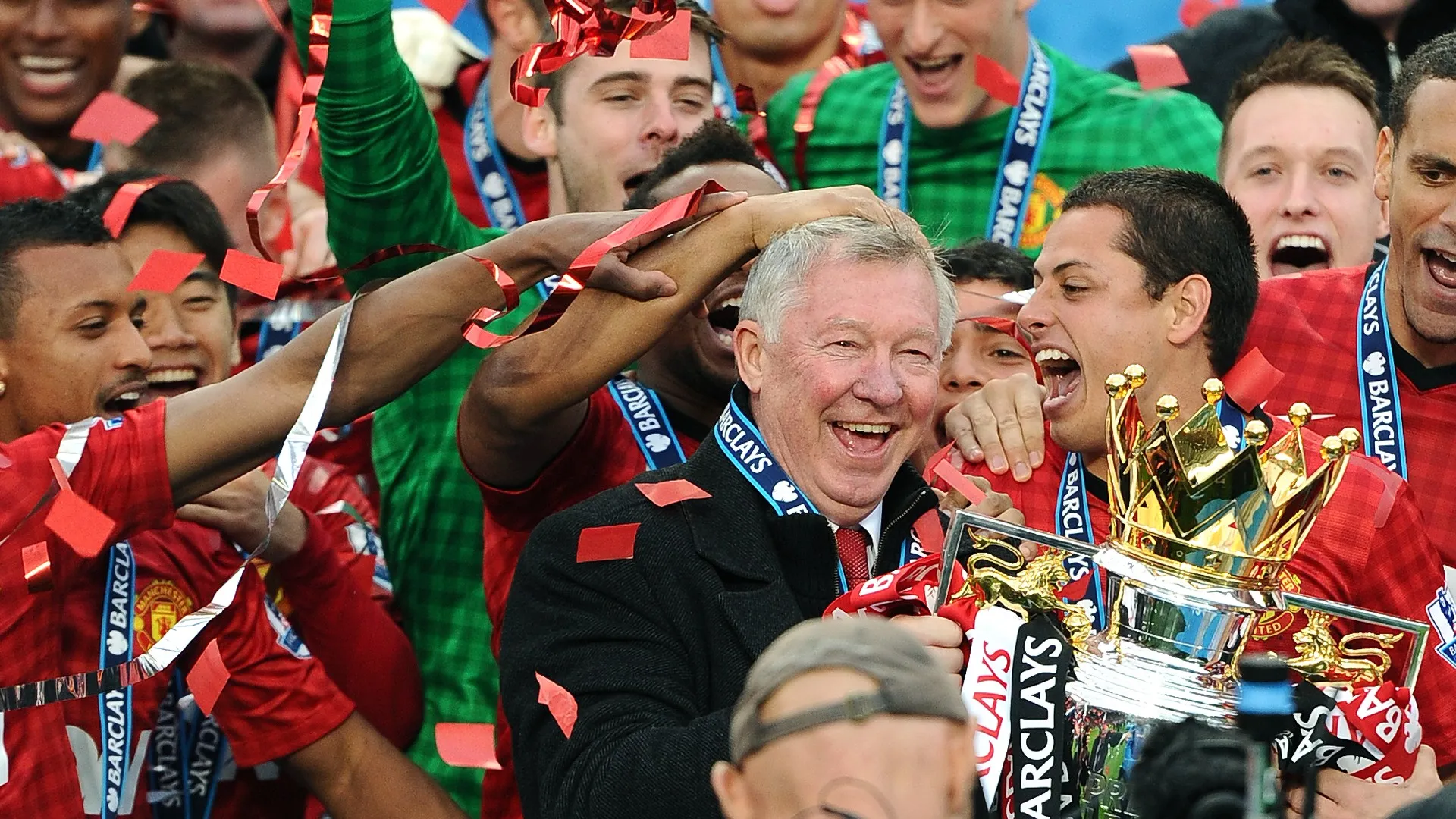
The Premier League has always been more than a table of numbers. One list contains the story of English football’s modern era: Manchester United’s early reign, Arsenal’s Invincibles, Leicester City’s miracle, Manchester City’s 100-point machine, Liverpool ending a 30-year wait and Arsenal returning to the summit in 2025/26. The competition began in 1992/93 when the old First Division was replaced, and 34 completed seasons have now produced 34 champions. The Premier League’s official history records how the competition changed the scale and reach of the English top flight.
This is the reference list: every Premier League winner by year, with verified points totals and the story behind the title. Every winning points total in this list has been verified against published records, and where a detail could not be confirmed it is marked with a dash rather than filled with a guess. That matters. A useful football reference should tell you what is known, not quietly fill gaps with unreliable figures.
| Season | Champion | Points | Runners-up |
|---|---|---|---|
| 1992/93 | Manchester United | 84 | Aston Villa |
| 1993/94 | Manchester United | 92 | Blackburn Rovers |
| 1994/95 | Blackburn Rovers | 89 | Manchester United |
| 1995/96 | Manchester United | 82 | Newcastle United |
| 1996/97 | Manchester United | 75 | Newcastle United |
| 1997/98 | Arsenal | 78 | Manchester United |
| 1998/99 | Manchester United | 79 | Arsenal |
| 1999/00 | Manchester United | 91 | Arsenal |
| 2000/01 | Manchester United | 80 | Arsenal |
| 2001/02 | Arsenal | 87 | Liverpool |
| 2002/03 | Manchester United | 83 | Arsenal |
| 2003/04 | Arsenal | 90 | Chelsea |
| 2004/05 | Chelsea | 95 | Arsenal |
| 2005/06 | Chelsea | 91 | Manchester United |
| 2006/07 | Manchester United | 89 | Chelsea |
| 2007/08 | Manchester United | 87 | Chelsea |
| 2008/09 | Manchester United | 90 | Liverpool |
| 2009/10 | Chelsea | 86 | Manchester United |
| 2010/11 | Manchester United | 80 | Chelsea |
| 2011/12 | Manchester City | 89 | Manchester United |
| 2012/13 | Manchester United | 89 | Chelsea |
| 2013/14 | Manchester City | 86 | Liverpool |
| 2014/15 | Chelsea | 87 | Manchester City |
| 2015/16 | Leicester City | 81 | Arsenal |
| 2016/17 | Chelsea | 93 | Tottenham Hotspur |
| 2017/18 | Manchester City | 100 | Manchester United |
| 2018/19 | Manchester City | 98 | Liverpool, 97 points |
| 2019/20 | Liverpool | 99 | Manchester City |
| 2020/21 | Manchester City | 86 | Manchester United |
| 2021/22 | Manchester City | 93 | Liverpool |
| 2022/23 | Manchester City | 89 | Arsenal |
| 2023/24 | Manchester City | 91 | Arsenal |
| 2024/25 | Liverpool | 84 | Manchester City |
| 2025/26 | Arsenal | 85 | Manchester City |
How to read the table
The first table gives you the answer quickly. Pick a season, find the champion and check the points total. Every completed season now has a verified winning total. The only gaps are some runners-up from 2012/13 onwards, where the second-placed club was not confirmed in the sources used, so those cells use a dash rather than a guess. Historical football data often appears in slightly different formats across sources, which is why the sourcing note at the end matters.
The Sky Sports list of Premier League winners is useful for checking the sequence of champions, while detailed season records can be compared with StatMuse and Transfermarkt.
The era-by-era shape of it
The list starts with Manchester United, then moves through a period of competition between United, Arsenal and Chelsea. Manchester City’s rise changes the balance again, while Liverpool, Leicester and Arsenal provide important breaks in the pattern.
Seven clubs have won the Premier League. That sounds like a healthy spread, but the title has still been concentrated heavily among a small group. Manchester United, Manchester City, Chelsea, Arsenal and Liverpool account for almost all of the competition’s champions.
Premier League Titles by Club
The count that matters
| Club | Premier League titles |
|---|---|
| Manchester United | 13 |
| Manchester City | 8 |
| Chelsea | 5 |
| Arsenal | 4 |
| Blackburn Rovers | 1 |
| Leicester City | 1 |
| Liverpool | 1 |
Manchester United remain the most successful Premier League club with 13 titles. Their dominance was built largely under Alex Ferguson, who turned the club into the competition’s reference point during the 1990s and 2000s, with many of United’s great players defining that era.
Manchester City are next with eight titles, driven by their remarkable modern run. Chelsea’s five titles came across different eras and managers, while Arsenal’s four include the famous unbeaten 2003/04 campaign and their 2025/26 return.
The clubs who won it once
Blackburn Rovers, Leicester City and Liverpool have each won the Premier League once according to the supplied title count. Their stories are very different.
Blackburn’s triumph came through a tightly fought 1994/95 campaign. Leicester’s 2015/16 title remains the great modern underdog story. Liverpool’s first Premier League title in 2019/20 carried the emotional weight of three decades of waiting.
The 1990s: Manchester United Build a Dynasty
1992/93: the first Premier League title
Manchester United became the first Premier League champions in 1992/93, finishing on 84 points. That opening title gave the new competition an immediate storyline: a club with historic stature setting the standard in a newly packaged league.
It was not yet the global entertainment machine we know today. The Premier League was still finding its identity, but United’s success gave supporters a familiar club to follow at the top.
1994/95: Blackburn’s one glorious season
Blackburn Rovers broke United’s early hold in 1994/95. They won the title with 89 points under Kenny Dalglish, edging out United in one of the era’s defining title races.
The achievement still stands out because Blackburn did not build a dynasty afterwards. They captured the moment, handled the pressure and held their nerve. Some titles are the start of an empire; Blackburn’s was a perfectly timed strike.
1997/98: Wenger’s first, and the warning shot
Arsenal won the 1997/98 Premier League title, Arsène Wenger’s first league championship in England. His arrival had already begun to change ideas about training, nutrition and squad building, but this title showed that Arsenal could challenge United over a full season.
Wenger’s Arsenal were not simply a short-term obstacle. They were becoming the club most capable of disrupting United’s reign. That rivalry would define the next phase of the competition.
The 2000s: Arsenal’s Invincibles and Chelsea’s Money
2001/02 and 2003/04: the Arsenal peak
Arsenal won again in 2001/02 before producing their most famous Premier League season in 2003/04. The Invincibles finished unbeaten and collected 90 points, led by many of Arsenal’s great players.
No other club has gone through a Premier League campaign without losing. The achievement was not only about technical quality. Arsenal needed concentration, squad depth and a refusal to collapse when a difficult away match became uncomfortable.
2004/05 and 2005/06: Mourinho resets the standard
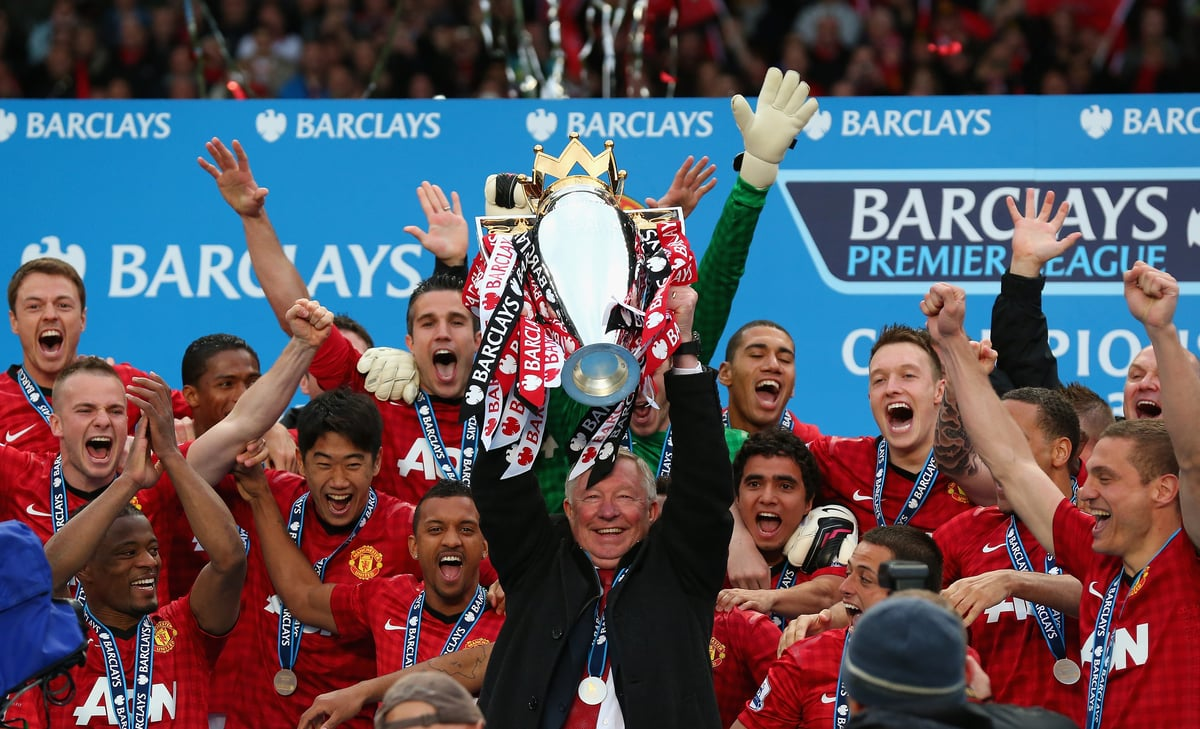
Chelsea won back-to-back titles under José Mourinho in 2004/05 and 2005/06. The first of those campaigns produced 95 points, a total that underlined how difficult it was to compete with Chelsea’s title-winning squad.
Mourinho’s Chelsea were organised, powerful and extremely difficult to break down. They did not rely on one single route to victory. They could control matches, defend a lead and punish mistakes, with the structure you often see in discussions of the greatest Premier League defenders of all time.
Why those back-to-back Chelsea titles changed recruitment
Chelsea’s success reflected a wider change in the Premier League. Clubs increasingly looked for deeper squads, stronger physical profiles and players who could perform consistently across a long season.
The title was no longer won by having a brilliant first XI alone. It was won by surviving injuries, suspensions and fixture congestion without losing the team’s identity.
2007 to 2011: United and the Ronaldo years
Manchester United returned to the summit and won three consecutive titles between 2006/07 and 2008/09. Their success combined Ferguson’s long-term squad building with the explosive development of Cristiano Ronaldo.
United’s strength was their ability to win matches in different ways. They could dominate, counter-attack or find a late goal when the match seemed to be slipping away. That flexibility made them particularly hard to catch.
The 2010s: The Miracle and the Machine
2011/12, Agüero at 93:20
Manchester City won the 2011/12 title when Sergio Agüero scored against Queens Park Rangers at 93:20. The goal secured the championship on goal difference over Manchester United.
It remains one of the most memorable endings in football history because the title appeared to be gone until the final seconds. A whole season was reduced to one desperate attack, one finish and one eruption around the Etihad Stadium.
2015/16: Leicester City, 5,000-1
Leicester City won the 2015/16 Premier League with 81 points under Claudio Ranieri. Before the season, they had been available at odds of 5,000-1, a figure reported widely at the time by outlets including BBC Sport.
The achievement was not based on one spectacular player carrying the team. Leicester found a powerful balance between pace, defensive discipline, direct attacking and belief. They did not need to dominate every match. They needed to keep collecting points while bigger clubs stumbled.
What the title actually meant
Leicester’s title showed that the Premier League could still produce a story that money and reputation had not already written. It did not make the competition perfectly equal, but it proved that a well-built team could break through.
The miracle was not that Leicester won one match against a giant. It was that they maintained the standard for 38 matches.
2017/18: the 100-point season
Manchester City set the Premier League points record by winning the 2017/18 title with 100 points under Pep Guardiola. That total remains the clearest numerical marker of their dominance.
City combined relentless possession with high-quality movement and an exceptional ability to turn pressure into chances. Their season was not merely successful. It changed expectations about what a champion’s points total could look like, driven by the kind of control and creativity associated with the greatest Premier League midfielders of all time.
The 2020s: City’s Stranglehold, Liverpool’s Turn, Arsenal’s Return
2019/20: Liverpool end 30 years of waiting
Liverpool won the 2019/20 Premier League with 99 points under Jürgen Klopp. The title ended a 30-year wait for the club’s top-flight championship.
Liverpool’s success came from a combination of aggressive pressing, fast transitions, elite full-back play and remarkable consistency, qualities that defined Liverpool’s title-winning side. The 99-point total also showed how high the standard had become. Even a near-perfect campaign was required to stay clear of Manchester City.
2020 to 2024: four in a row
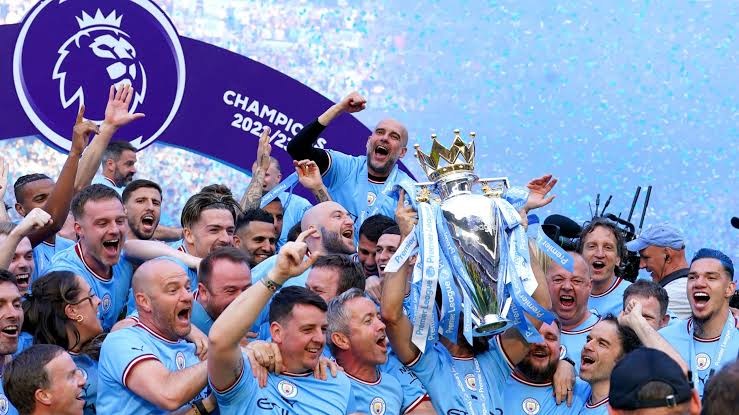
Manchester City won four consecutive titles from 2020/21 to 2023/24. That run established them as the defining team of the early 2020s.
Four straight championships require more than tactical quality. Players must respond to success without becoming careless, while the club must refresh the squad before decline becomes obvious. City managed to keep evolving.
2024/25: Liverpool’s second Premier League title
Liverpool returned to the top in 2024/25 for their second Premier League title. The win added another chapter to the club’s recent revival and showed that City’s run had not made the competition one-sided forever.
Their success also demonstrated the value of continuity. A club can change its manager and still retain a winning structure when recruitment, standards and squad planning remain strong.
2025/26: Arsenal end 22 years of hurt
Arsenal won the 2025/26 title with 85 points from 26 wins, seven draws and five defeats. They finished seven points ahead of Manchester City in second, ending a 22-year wait since their 2003/04 triumph.
Mikel Arteta managed the title-winning side. The achievement felt different from the Invincibles. Arsenal did not need to remain unbeaten. They needed to build a reliable team that could manage a long campaign and finish the job.
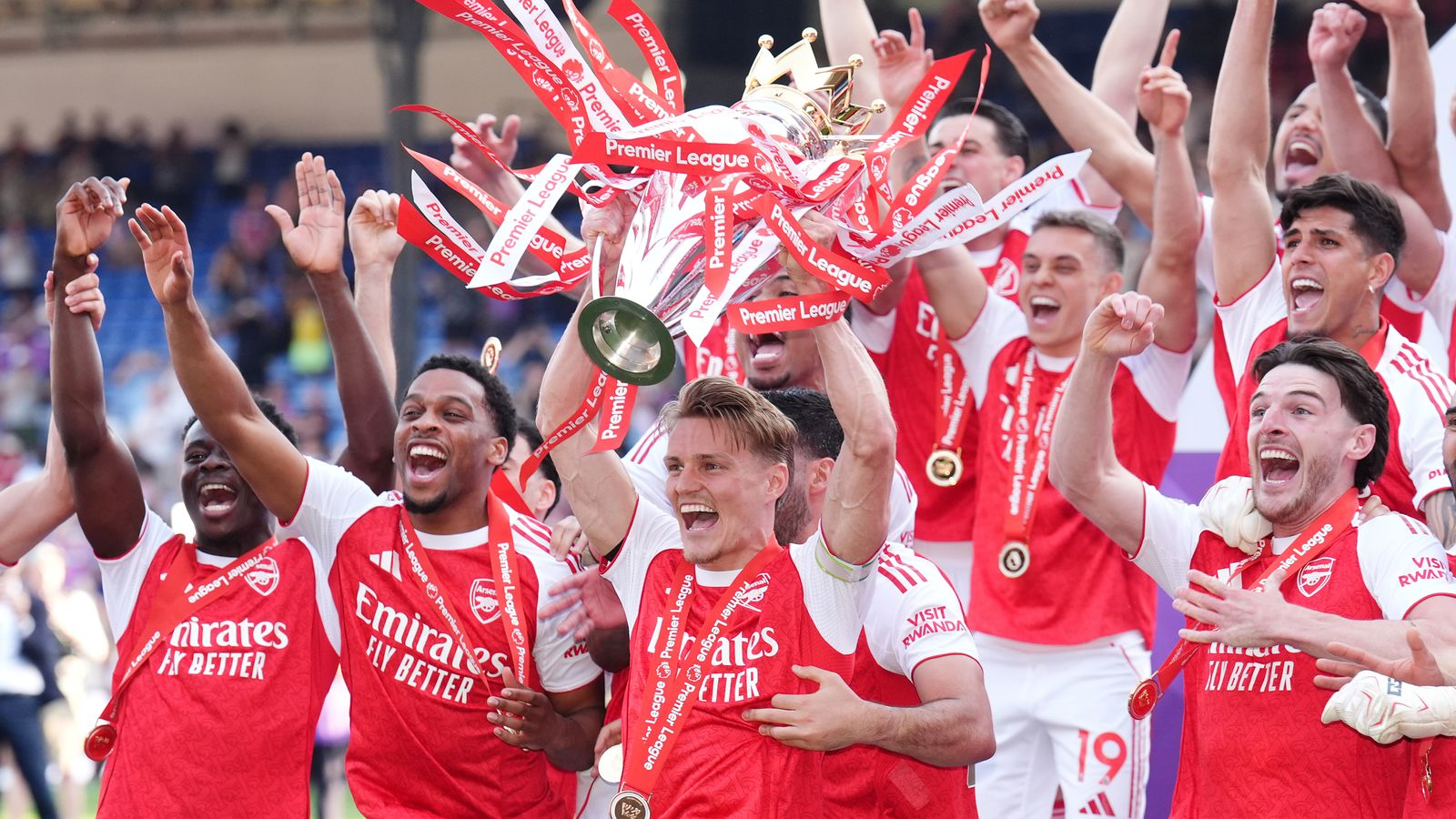
Table 2: Every Premier League Champion, Season by Season
| Season | Champion | Manager | Points | Title number for club |
|---|---|---|---|---|
| 1992/93 | Manchester United | Alex Ferguson | 84 | 1 |
| 1993/94 | Manchester United | Alex Ferguson | 92 | 2 |
| 1994/95 | Blackburn Rovers | Kenny Dalglish | 89 | 1 |
| 1995/96 | Manchester United | Alex Ferguson | 82 | 3 |
| 1996/97 | Manchester United | Alex Ferguson | 75 | 4 |
| 1997/98 | Arsenal | Arsène Wenger | 78 | 1 |
| 1998/99 | Manchester United | Alex Ferguson | 79 | 5 |
| 1999/00 | Manchester United | Alex Ferguson | 91 | 6 |
| 2000/01 | Manchester United | Alex Ferguson | 80 | 7 |
| 2010/11 | Manchester United | Alex Ferguson | 80 | 12 |
| 2011/12 | Manchester City | Roberto Mancini | 89 | 1 |
| 2012/13 | Manchester United | Alex Ferguson | 89 | 13 |
| 2013/14 | Manchester City | Manuel Pellegrini | 86 | 2 |
| 2014/15 | Chelsea | José Mourinho | 87 | 4 |
| 2015/16 | Leicester City | Claudio Ranieri | 81 | 1 |
| 2016/17 | Chelsea | Antonio Conte | 93 | 5 |
| 2017/18 | Manchester City | Pep Guardiola | 100 | 3 |
| 2018/19 | Manchester City | Pep Guardiola | 98 | 4 |
| 2019/20 | Liverpool | Jürgen Klopp | 99 | 1 |
| 2020/21 | Manchester City | Pep Guardiola | 86 | 5 |
| 2021/22 | Manchester City | Pep Guardiola | 93 | 6 |
| 2022/23 | Manchester City | Pep Guardiola | 89 | 7 |
| 2023/24 | Manchester City | Pep Guardiola | 91 | 8 |
| 2024/25 | Liverpool | Arne Slot | 84 | 2 |
| 2025/26 | Arsenal | Mikel Arteta | 85 | 4 |
| 2001/02 | Arsenal | Arsène Wenger | 87 | 2 |
| 2002/03 | Manchester United | Alex Ferguson | 83 | 8 |
| 2003/04 | Arsenal | Arsène Wenger | 90 | 3 |
| 2004/05 | Chelsea | José Mourinho | 95 | 1 |
| 2005/06 | Chelsea | José Mourinho | 91 | 2 |
| 2006/07 | Manchester United | Alex Ferguson | 89 | 9 |
| 2007/08 | Manchester United | Alex Ferguson | 87 | 10 |
| 2008/09 | Manchester United | Alex Ferguson | 90 | 11 |
| 2009/10 | Chelsea | Carlo Ancelotti | 86 | 3 |
What the second table shows
The second table adds context to the winners list. A title belongs to a club, but managers shape the eras. Ferguson appears repeatedly during United’s dominant period, Wenger leads Arsenal’s most distinctive campaigns and Guardiola is central to City’s modern run.
The title number also helps separate a first breakthrough from another chapter in an established dynasty. Leicester’s title was their first. City’s 2023/24 success was their eighth.
The points totals worth remembering
The most useful verified figures are the extremes and the emotional milestones:
- Manchester City: 100 points in 2017/18.
- Liverpool: 99 points in 2019/20.
- Manchester City: 98 points in 2018/19.
- Chelsea: 95 points in 2004/05.
- Arsenal: 90 points in their unbeaten 2003/04 season.
- Blackburn Rovers: 89 points in 1994/95.
- 1996/97 — Manchester United, 75 points (the lowest winning total in Premier League history).
- Leicester City: 81 points in 2015/16.
- Arsenal: 85 points in 2025/26.
The Records Inside the List
Highest points total ever
Manchester City’s 100 points in 2017/18 is the highest verified points total in the Premier League winners list. It is a useful reminder that a title can be won in more than one style, but sustained excellence leaves a very clear statistical mark.
Lowest points total to win it
Across the verified totals, the lowest points total to win the Premier League is Manchester United's 75 in 1996/97. Leicester City's 81 points in 2015/16 is often remembered as a low-winning total, but it was not the lowest. The 1996/97 campaign was tighter and lower-scoring than the modern era, which is why the champion's total looks modest beside the 90-plus tallies of the 2000s and 2010s.
Closest and most comfortable title races
The 2018/19 season was exceptionally close. Manchester City won with 98 points while Liverpool finished second on 97. A one-point gap separated the champion from the runner-up. The 1996/97 title was also unusual for a different reason: Manchester United won it with just 75 points, which remains the lowest winning total in the competition’s history.
By contrast, Arsenal’s 2025/26 title ended with a seven-point advantage over Manchester City. That is a meaningful margin in a competition where two or three dropped points can reshape the entire table.
The Seasons That Got Away
Runners-up who deserved better
Liverpool’s 97 points in 2018/19 is the clearest example in the supplied records. It was the highest points total ever recorded by a Premier League runner-up, yet City still finished above them.
That season is a useful warning against judging a campaign only by its final position. Liverpool did almost everything right. They simply faced a champion operating at an extraordinary level.
The 97-point runners-up
A runner-up with 97 points would have won many other Premier League seasons. That is what makes the 2018/19 campaign so difficult to assess emotionally. Liverpool did not collapse. They met an even higher standard.
The near-misses that shaped clubs
Repeated defeats can force a club to improve. Liverpool’s narrow loss to City helped sharpen the side that won 99 points the following season. Arsenal’s long wait after 2003/04 eventually produced a title-winning project under Arteta.
Football rarely moves in a straight line. A near-miss can become a foundation if the club responds with patience rather than panic.
Which Premier League Title Was the Greatest Achievement?
Leicester 2015/16 versus Blackburn 1994/95
Leicester’s title is the stronger underdog story because of the 5,000-1 pre-season odds and the scale of the expectation gap. Blackburn’s success, however, deserves its own respect. They won 89 points and beat a Manchester United side that had already set the tone for the new league.
If you value surprise, Leicester win the argument. If you value sustained points and a direct challenge to United’s early dominance, Blackburn are closer than the historical spotlight sometimes suggests.
The Invincibles versus the 100-point City side
Arsenal’s unbeaten 2003/04 season is unique. City’s 100-point campaign is the statistical peak. One team avoided defeat across an entire league season; the other set a points record that may become increasingly difficult to match.
My view is simple: City produced the greatest points campaign, while Arsenal produced the most distinctive achievement, and both sides were packed with players who belong in any debate about the best players in Premier League history. You can argue for either without diminishing the other.
How the 2026/27 Season Could Change This List
Who is best placed to add another title
It is too early to make a reliable prediction about the next champion. History suggests that the established winners remain the clubs with the clearest experience of building title-winning squads: Manchester City, Manchester United, Chelsea, Arsenal and Liverpool.
That is not a guarantee. Leicester’s success showed why predictions can fail, while Arsenal’s 2025/26 win showed that long-term rebuilding can eventually produce a breakthrough.
The clubs still waiting for a first Premier League crown
Several well-known clubs have not won the Premier League, including Tottenham Hotspur, Newcastle United and Aston Villa. Their supporters have seen strong sides, title challenges and historic success in earlier versions of the English top flight, but not a Premier League championship.
That gap is part of what makes the competition compelling. Every season begins with familiar favourites, but the possibility of a new name joining the winners list never fully disappears.
Final Thoughts
The Premier League winners list is a compact history of changing football power. Manchester United set the early standard, Arsenal challenged it, Chelsea raised the level of squad building, Manchester City created a modern machine, Liverpool ended a long wait and Leicester delivered the competition’s greatest surprise. Arsenal’s 2025/26 title added the latest chapter. The next name on the list will not simply win a trophy; it will change how this era is remembered.
Sources and Methodology
This article prioritised official competition records and published season-by-season champions lists, then cross-checked them against multiple independent sources before any figure was added to the tables. That approach matters because historical football data is often published in slightly different formats, and points totals can be restated or presented differently depending on whether a source focuses on league tables, title histories or club honours pages.
The main reference point was the Premier League’s official site for competition history and season records. We then checked the season-by-season list against Wikipedia’s List of English football champions and the 2025–26 Premier League page, alongside the Sky Sports list of previous champions. For points totals and title counts, we compared records with StatMuse and Transfermarkt. For Leicester City’s 5,000-1 story and 2015/16 title context, we used BBC Sport.
The tables were built as two separate reference tools. Table 1 is the quick version: season, champion, verified points total and runner-up where confirmed in the sources used. Table 2 adds manager names and each club’s title number. All 34 winning points totals were verified before publication. The runner-up column uses a dash for seasons where the second-placed club could not be confirmed in the sources used, and no figure was estimated or assumed. Manager names were filled only where confirmed in the records used for this article.
The comparison of the greatest title wins is editorial judgement rather than measurable fact. There is no single formula for deciding whether Leicester City’s 81-point title in 2015/16 was a greater achievement than Blackburn Rovers’ 89-point title in 1994/95, so this piece weighs context alongside points, difficulty and historical expectation. The aim is to keep verified fact and opinion clearly separated, so you can see what is documented and what is interpretation. Last checked: 21 September 2026. Points totals and title counts are updated after each completed season. If you spot a correction, please send it through our contact page.
FAQs
Who has won the most Premier League titles?
Manchester United have won the most Premier League titles, with 13. Their success was concentrated across the Alex Ferguson era, especially during the 1990s and 2000s.
How many clubs have won the Premier League?
Seven clubs have won the Premier League since it began in 1992/93: Manchester United, Manchester City, Chelsea, Arsenal, Blackburn Rovers, Leicester City and Liverpool.
Which team won the first Premier League title?
Manchester United won the first Premier League title in 1992/93. They finished that campaign with 84 points.
Which Premier League season had the most points?
Manchester City hold the record for the highest points total by a Premier League champion. They won 100 points in 2017/18 under Pep Guardiola.
Did Leicester City really have 5,000-1 odds to win the title?
Yes. Leicester City were available at 5,000-1 before the 2015/16 season, when they went on to win the Premier League under Claudio Ranieri.
Who was the most recent Premier League winner?
Arsenal were the most recent champions in the supplied list. They won the 2025/26 title with 85 points under Mikel Arteta.
Which club ended the longest wait for a Premier League title?
Liverpool ended a 30-year wait when they won the 2019/20 Premier League title. Arsenal later ended a 22-year wait by winning in 2025/26.
What is the lowest points total shown for a Premier League champion?
The lowest winning total in Premier League history is Manchester United's 75 points in 1996/97. Leicester City's 81 points in 2015/16 is the next lowest among the seasons covered here, followed by Arsenal's 85 in 2025/26 and Liverpool's 84 in 2024/25.
How many Premier League titles have Arsenal won?
Arsenal have won four Premier League titles: 1997/98, 2001/02, 2003/04 and 2025/26.
Which clubs have never won the Premier League?
Among the best-known clubs still waiting for a first Premier League title are Tottenham Hotspur, Newcastle United and Aston Villa. The full list is longer, as only seven clubs have won the competition since 1992.